Introduction
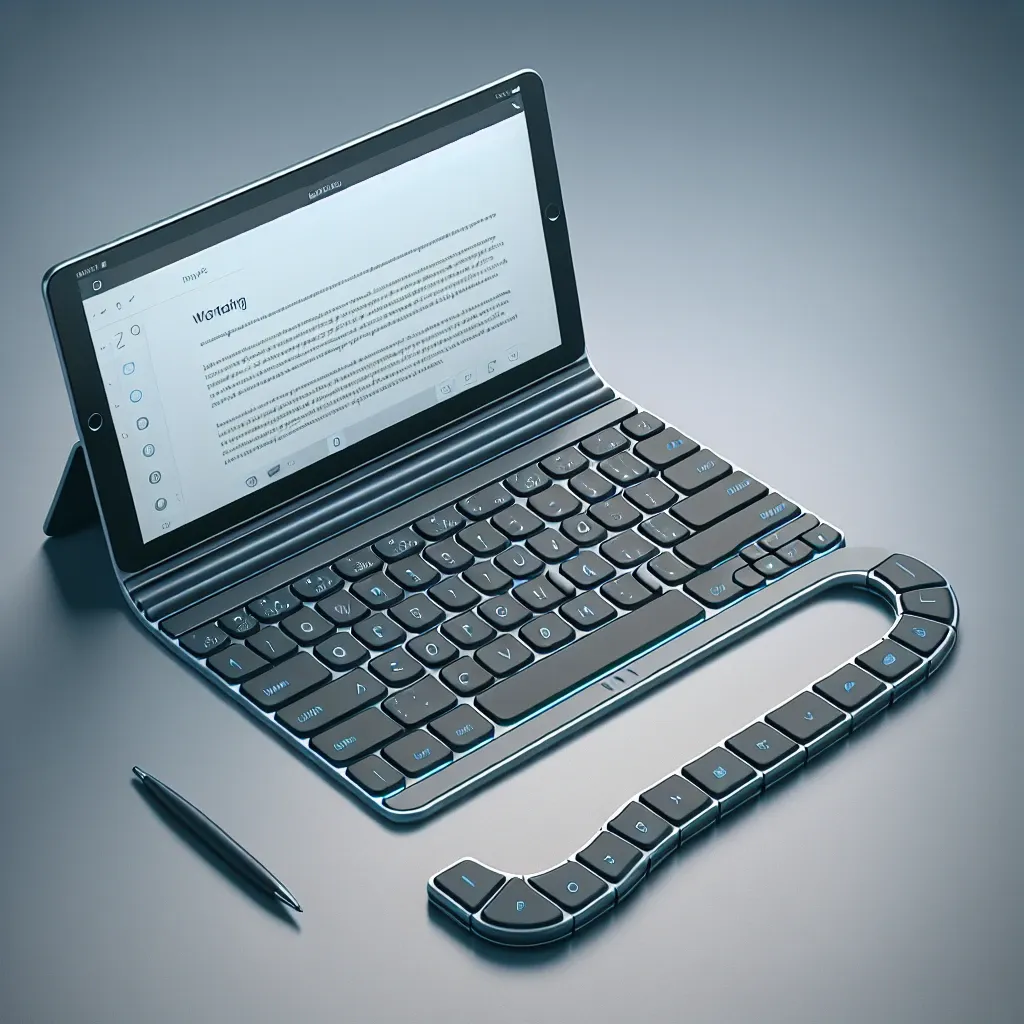
In an exciting development for tech enthusiasts and professionals alike, Samsung has recently unveiled a prototype of a flexible keyboard designed specifically for tablets. This innovative accessory promises to redefine user interaction with mobile devices, blending the functionality of traditional keyboards with the portability expected from tablet devices. In this article, we will delve into the details of this groundbreaking prototype, explore its implications for the future of mobile computing, and analyze how it fits into Samsung’s broader vision for technology.
The Evolution of Tablet Keyboards
Tablet computers have come a long way since their inception. Initially launched as simple touch-screen devices, their development has led to a growing demand for accessories that enhance their functionality. As more users adopt tablets for professional and creative endeavors, the need for a reliable keyboard has become apparent. Traditional keyboard options, such as Bluetooth and detachable models, have served their purpose; however, they often fall short in terms of convenience and portability.
Introduction of Flexible Technology
Samsung’s foray into flexible technology marks a significant shift in the design and functionality of peripheral devices. The flexible keyboard prototype is lightweight and can be rolled or folded, making it exceptionally portable. This advancement not only caters to the on-the-go lifestyle of modern users but also introduces new possibilities for design and ergonomics in the tech industry.
Key Features of the Flexible Keyboard Prototype
- Portability: The lightweight and rollable design allows users to easily carry the keyboard in a bag or pocket, making it ideal for travel.
- Durability: Made from advanced materials, the flexible keyboard is designed to withstand wear and tear, ensuring a long lifespan.
- Responsive Design: The keyboard prototype features a tactile response that mimics traditional keyboards, allowing for comfortable typing experiences.
- Compatibility: It is designed to be compatible with various tablet models, enhancing versatility for different user needs.
- Environmental Sustainability: Samsung has taken a step towards eco-friendliness by utilizing sustainable materials in the keyboard’s construction.
Implications for Users
Enhancing Productivity
The introduction of Samsung’s flexible keyboard prototype could significantly enhance productivity for tablet users. Professionals who rely on tablets for work can benefit from the tactile feedback and comfort of a traditional keyboard while maintaining the portability of their device. The ability to easily transport the keyboard without compromising on functionality opens up new avenues for remote work and flexibility.
Creative Applications
Artists and designers can also reap the rewards of this innovative accessory. The flexible keyboard can accommodate various creative applications, enabling users to sketch, design, and edit with ease. Its adaptability ensures that it meets the diverse needs of creative professionals, potentially leading to a surge in tablet usage in industries reliant on design and creativity.
Future Predictions for Tablet Accessories
Trends in Flexibility
The flexibility trend is likely to extend beyond keyboards as manufacturers seek to make devices more portable and user-friendly. We can anticipate seeing more flexible accessories that cater to the needs of mobile users, such as mice, cases, and even displays. As technology continues to evolve, the integration of flexible materials in everyday gadgets could become commonplace.
Integration with Emerging Technologies
Furthermore, as emerging technologies such as augmented reality (AR) and virtual reality (VR) gain traction, the flexible keyboard could play a vital role in enhancing user interactions within these environments. Its design allows for seamless integration with various interfaces, enabling users to engage more intuitively with digital content.
Pros and Cons of the Flexible Keyboard
Pros
- Increased portability and convenience for users on the go.
- Durable design that withstands regular use.
- Enhanced typing experience compared to touch screens alone.
- Possibility of using with multiple devices.
Cons
- Initial cost may be high compared to traditional keyboards.
- Limited availability as it is still in prototype stage.
- Potential learning curve for users accustomed to traditional setups.
Conclusion
Samsung’s debut of the flexible keyboard prototype for tablets represents a significant leap forward in the realm of mobile computing accessories. By prioritizing portability, durability, and functionality, Samsung is addressing the evolving needs of users who seek a seamless experience across their devices. As we look ahead, the potential for flexible technology to revolutionize the way we interact with gadgets is immense, and this prototype is just the beginning of what may become a widespread trend in the tech industry.
Final Thoughts
With the flexible keyboard prototype, Samsung is not only launching a product but also envisioning a future where mobility and functionality coexist harmoniously. The implications for productivity and creativity are vast, promising to reshape how we think about and use tablets. As consumers eagerly await the final release, it is clear that the tech industry is on the brink of exciting innovations that will enhance our digital lives.
Leave a Reply